
SAFe® Training (Training)
■ ■ INFORMATION ■ ■
<Jointly sponsored training>
・6/22-6/26 Implementing SAFe® with Scaled Agile. ▶ For an outline of the event and application Click here for the event outline and registration.
7/15 – 7/17 SAFe® Release Train Engineer will be held with Scaled Agile. ▶ For details and registration, please click Click here
<Public training>
・Annual Schedule ▶ Check the list of courses available in 2026. Check the list of courses available in FY2026.
July 23-24 | SAFe for Hardware (2 days) ▶ For details and registration, click here. Click here
└ Related article: “‘Agile’ Reclaimed in Manufacturing Digital Development Accelerates Innovation in Large Organizations” (External media publication) Read the article
The speakers in this article are not our training instructors.
<Other>
・Tailored to your needs Private training We can also provide private training for those who wish to have private training. Please feel free to contact us.
The report of the event “Accelerating Business Agility in the Manufacturing Industry – SAFe for Hardware Japanese Version Starts × Enhancing Competitiveness with AI” held on February 17, 2026 is available here, Please click here Please click here to see the report.
1. why is SAFe® knowledge required now?
issue
The demand for SAFe® knowledge is deeply rooted in the challenges facing contemporary society, the marketplace, and the companies and organizations themselves.
-
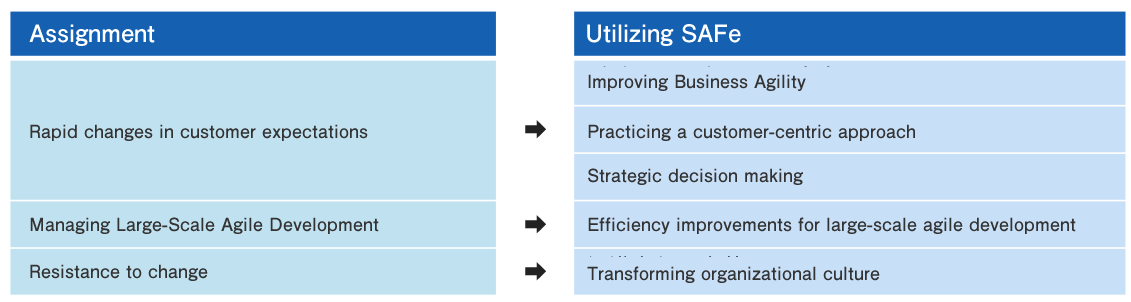
Rapid changes in customer expectations
Companies are faced with the urgent task of constantly providing value to customers’ rapidly changing expectations and needs, which are driven by advances in digital technology.
-
Manage large scale agile development
Many organizations face challenges when moving from single agile development to the application of agile across large projects and organizations.
-
Resistance to Change
Overcoming resistance to change that arises from within as organizational transformation and digital transformation (DX) move forward is a major challenge.
Utilizing SAFe®.
The knowledge and skills of SAFe®, a systematic knowledge-based framework, can be used to address these challenges in the software digital age.
-
Increased business agility
By leveraging the knowledge and skills of SAFe®, you can improve the agility of your company or entire organization through continuous delivery and respond quickly to market changes and changing customer needs to maintain or improve your competitive edge.
-
Practicing a Customer-Centric Approach
Focusing on customer value creation, SAFe® can be used to achieve more customer-centric product development and service delivery.
-
Strategic Decision Making
SAFe® is also used in the strategic decision-making of organizations, particularly in portfolio management and investment decisions, where SAFe® principles and practices are referenced.
-
Streamlining Large-Scale Agile Development
In large-scale agile development where multiple teams work together, SAFe® knowledge and skills can be used to facilitate collaboration and coordination among teams to efficiently manage overall progress.
-
Organizational Culture Change
By instilling and utilizing SAFe® principles and values in organizations during organizational transformation, such as the promotion of digital transformation (DX), organizations can effectively transform and foster a more collaborative and agile organizational culture.
While their use will vary depending on the size of the organization, its industry, and the specific challenges it faces, SAFe® knowledge and skills are important tools for maintaining and improving the competitiveness of an organization in today’s complex business environment.
2. outline of training
Training Objectives
The primary goal of SAFe® training is to equip organizations with the knowledge and skills to improve business agility and effectively manage large-scale agile development.
Specifically, the objectives are as follows
-
Understanding of SAFe® principles, values, roles and practices
-
Acquire skills to effectively manage large scale agile development with multiple teams working together
-
Fostering the ability of companies and organizations to respond quickly to changes in market and customer needs (business agility)
-
Acquire the mindset and skills required for each role, including SAFe® promotion leader, scrum master, product manager, product owner, agile team member, etc.
-
Providing opportunities to learn how to apply SAFe® knowledge to real-world work
The ultimate goal of the training is to enable participants to effectively apply what they have learned to their own organizations.
Training Features
-
Training with many variations
SAFe® offers many variations of training, including training specific to each role (Scrum Master, Product Owner, System Architect, etc.) and training for specific positions (Executive, Developer, etc.).
Public training allows participants to select the training that best suits their role, needs, and objectives.
-
Regular content updates
Training content is regularly upgraded based on market trends and newly penetrated technologies.
-
Interactive learning
The program is not only classroom learning, but also interactive learning through discussions and group activities among participants.
-
certification examination
After attending the training, you will be qualified to take the SAFe® certification exam.
Passing that exam earns the SAFe® certification.
Characteristics of the training programs held by TDC Soft
In addition to the features of the above training programs, our SAFe® training programs will have the following features
-
Full menu
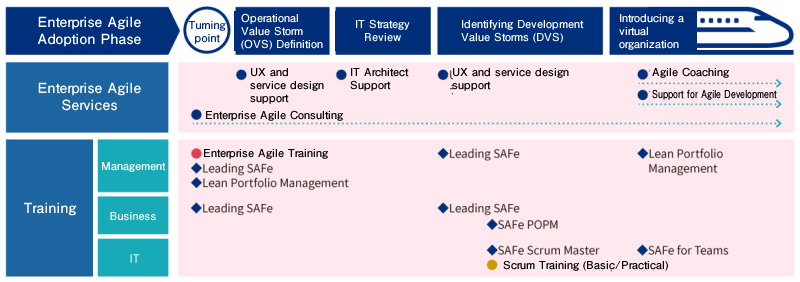
In addition to training, we can offer customized menu plans that fit the phases of your company or organization, from the Enterprise Agile study phase to the introduction and implementation of SAFe®.
-
Flexible private training (individual company support)
Private training can be customized to meet the organization’s challenges and needs, as well as the experience level of the participants. The dates and format (face-to-face/online) can be adjusted, so the appropriate format can be selected based on the participants’ situation. Click here for more details about Private Training.
Who Should Attend
-
Corporate and organizational executives (management, department heads, etc.) Recommended course titles: Leading SAFe® (SA), Lean Portfolio Management (LPM), Implementing SAFe® (SPC)
-
Promotion managers and change leaders leading the implementation of SAFe® Recommended course titles: Leading SAFe® (SA), Implementing SAFe® (SPC)
-
Agile development leaders, Scrum Masters, Product Owners and Developers Recommended course titles: Leading SAFe® (SA), SAFe® Scrum Master (SSM), SAFe® Product Owner / Product Manager (POPM), SAFe® for Teams (SP)
-
Architects Engaged in Organizational Architecture
Recommended Course Title: SAFe® for Architects (ARCH)
3. training details
SAFe® Official Training
Leading SAFe® – Surviving the Digital Age with Business Agility

Training for internal change leaders to understand the knowledge and steps required to implement SAFe (Scaled Agile Framework ) in their companies. (Japanese language materials and Japanese instructor)
Method of attendance: Online or face-to-face (2 days)
- Private training is available at your convenience. Please contact us.
SAFe® Scrum Master – Applying the role of Scrum Master in SAFe

Understand the role and behavior of a Scrum Master in a SAFe (Scaled Agile Framework) agile team through lecture and practice. (Japanese course materials, Japanese instructor)
Method of attendance: Online or face-to-face (2 days)
- Private training is available at your convenience. Please contact us.
SAFe® Product Owner / Product Manager – Delivering Value through Business Agility Practices
Understand the roles and actions of product owners and managers in SAFe (Scaled Agile Framework) through lectures and practices. (Japanese language materials, Japanese instructor)
Method of attendance: Online or face-to-face (2 days)
- Private training is available at your convenience. Please contact us.
SAFe® for Teams – Team Agility in SAFe

Understand the roles and behaviors of team members in a SAFe (Scaled Agile Framework) agile team through lectures and practices. (Japanese language materials, Japanese instructor)
Method of attendance: Online or face-to-face (2 days)
- Private training is available at your convenience. Please contact us.
Lean Portfolio Management – Alignment of strategy and execution using SAFe®.

This training is designed for executives and management to acquire the tools and techniques necessary to implement SAFe (Scaled Agile Framework) at the corporate portfolio level. (Japanese language materials, Japanese instructor)
How to attend: online or in person (2 days)
In addition, there is an optional workshop (1 day) in addition to the 2 days if you plan to implement LPM.
- Private training is available. Please contact us.
SAFe® for Architects ~ Designing Continuous Value Flows with SAFe

Explore the role, responsibilities, and mindset of the architect in SAFe (Scaled Agile Framework), learn how to align business values with the architect, and how to design the continuous flow of a large system while supporting ART execution. (Japanese language materials and Japanese instructor)
Instructor Comments:
- This training focuses on how architects who already have technical skills behave within SAFe.
- There is no prerequisite for attending the course, but taking the Leading SAFe course beforehand will enhance your understanding.
Method of attendance: Online or face-to-face (3 days)
- Private training is available. Please contact us.
SAFe® for Hardware ~ Accelerating the Design, Development, and Release of Hardware Products

SAFe® for Hardware is a training that deploys Lean/Agile principles to hardware development to accelerate the speed to market of your products.
It helps maximize business outcomes by continuously improving value delivery in a rapidly changing environment. (Japanese language materials and Japanese language instructors)
Method of attendance: Online or face-to-face (2 days)
- 7/23~7/24 Applications are now being accepted ▶ Click here for an outline of the event and application form. Click here
Implementing SAFe® ~ Achieving Business Agility with the Scaled Agile Framework
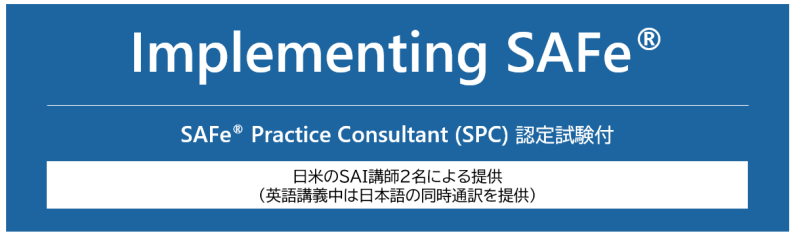
This course is designed to qualify you to become a consultant (SPC) who can become a change agent, implement and educate SAFe (Scaled Agile Framework) by yourself.
Offered by two SAI instructors from Japan and the United States. Simultaneous Japanese interpretation provided during English lectures. (Japanese course materials)
Method of attendance: Online (5 days)
- 6/22~6/26 Applications are now being accepted ▶ For an outline of the event and application form, please click here. Click here
TDC Soft Original Training
SAFe® Digest – How to Successfully Implement Agile in Large Organizations
This course is our original training designed to provide an efficient introduction to the basic concepts and principles of SAFe (Scaled Agile Framework) in just half a day.
Leading SAFe is the perfect introduction for those who are considering taking formal training, such as SAFe. This is the perfect introduction for those who are considering taking Leading SAFe or other formal training. By understanding the big picture of SAFe in advance, you will have a better understanding of the content of the official training, which will facilitate your transformation.
Method of attendance: Online (half-day)
- Private training is available. Please contact us.
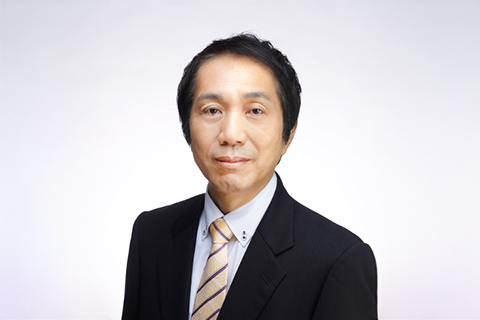
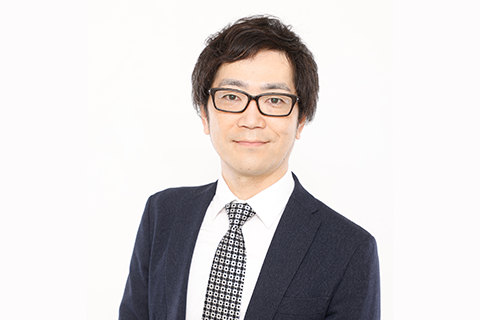
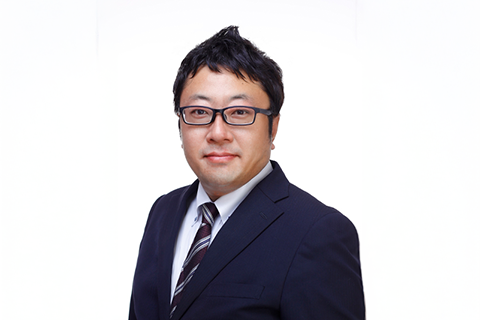
4. introduction of lecturers
In addition to the above consultants, we have a total of 34 SPCs. Please refer to the official SAFe website for the latest information on the number of SPCs belonging to our company and the actual number of participants in SAFe training sessions held by our company.
In addition to the above consultants, we have a total of 34 SPCs. Please refer to the official SAFe website for the latest information on the number of SPCs belonging to our company and the actual number of participants in SAFe training sessions held by our company.





[embedyt] https://www.youtube.com/watch?v=BZXSTaYZsuQ[/embedyt]
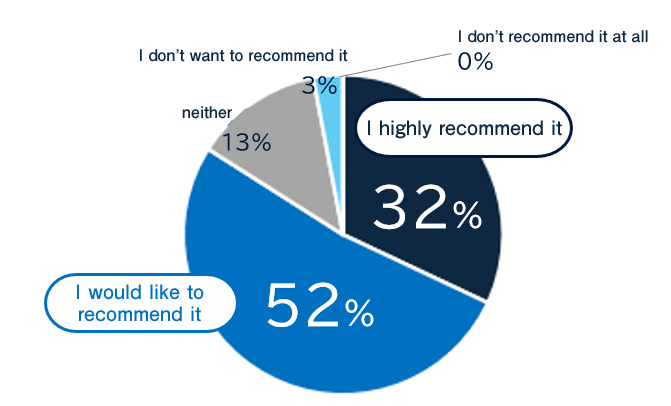
SAFe® training held (last 3 months)
SAFe® training held (last 3 months)
-
We have held many of these events prior to 2024.
6. training flow
-
Open Training Flow
The flow of public training differs from that of private training. (For the flow of private training, please click here.)
(1) Application for training
Register for the SAFe® training course by selecting it from the application page.
(2) Advance Preparation
Receive an email from TDC Soft SAFe® Training at
– Attend the pre-information session indicated in the pre-information packet.
Participation in training
Attend training on the day of the event
4) Payment of course fees
TDC Soft SAFe® Training
*Invoices are usually sent in PDF format at the beginning of the month following the date of the training.
5) SAFe® certification exam (optional)
Take the SAFe® certification exam for the training course you have taken

The following is a list of frequently asked questions. We would appreciate it if you could review them before contacting us.