
ENEOS Corporation
To accelerate R&D to solve social issues
Full use of "agile" with TDC SOFT Inc. as a partner
Interviewee
Low Carbon Technology Group, Advanced Technology Research Institute
Chief Staff
Kosuke Harada
Low Carbon Technology Group, Advanced Technology Research Institute
Chief Staff
Nobuyuki Aruga
The Japanese government has stated that it will reduce greenhouse gas emissions by 46% in FY2030 compared to the FY 2013 level. Companies are expected to cooperate accordingly. The energy industry, in particular, must not only manage emissions in their own operations, but also develop low-carbon energy, improve efficiency, and develop many other technologies. On the other hand, research must be run before requirements are clearly solidified, as there are many things that can only be understood by trying them out. In order to respond to the demands of society and to promote various types of development in a flexible and speedy manner, ENEOS chose the agile method of development. The company plans to further expand the system horizontally in the future.
Challenges before introduction
-
Acceleration of research and development is required to solve social issues
-
Control testing of energy equipment required visiting the site where the equipment was located.
-
There was no environment to bundle multiple devices for control testing.
-
Ancillary functions needed for control needed to be added in a flexible manner.
Post-introduction results
-
Enabled rapid development of studies with ambiguous requirements that are common in research
-
We were able to create an environment that allowed control tests to be performed over the network.
-
Many devices can now be easily connected for comprehensive testing
-
Quickly provided peripheral functions such as a tool for estimating revenue when utilizing an energy management system (EMS)
Aiming to accelerate research and development to realize a decarbonized, recycling-oriented society
Climate change, one of the world’s most important issues, is forcing the energy industry to make a major shift from fossil fuels to the use of renewable energy. However, there are still many challenges to be overcome in the stable use of renewable energy of natural origin, and companies are still struggling through a process of trial and error. ENEOS, one of Japan’s leading energy companies, is no exception. The company’s Central Research Laboratory is promoting Virtual Power Plants (VPPs) that function like a single large power plant by integrating and controlling various energy equipment such as storage batteries and hydrogen production equipment, as well as developing hydrogen carrier production technology and synthetic fuel. Various efforts toward a decarbonized, recycling-oriented society are underway, including the development of hydrogen carrier production technologies and synthetic fuels. Kosuke Harada, Chief Staff of the Low Carbon Technology Group, Advanced Technology Research Institute, Central Research Institute of Technology, says, “The amount of electricity generated by solar and wind power is affected by weather conditions, so storage is essential. A large amount of storage batteries are expected to be needed, and there are also methods to generate and store hydrogen energy from surplus electricity. For a stable and efficient energy supply, we need to optimally control multiple devices based on precise predictions, and we are conducting research and development for this purpose,” he says.
In the past, control tests of energy devices were conducted by visiting the location where the desired device was located and connecting it to a PC on the spot. Since the equipment is located not only in the laboratory but also throughout Japan, this requires time-consuming and costly travel. In addition, if full-scale energy management tests were to be conducted, it would be necessary to connect multiple devices and control them all at once, but there was no environment in place to achieve this.
With high expectations for technology that contributes to the realization of a decarbonized society and the need to accelerate research and development, ENEOS decided to develop a new energy management system (EMS) for research and development based on the need to create an environment that would allow efficient and speedy verification.
Deep understanding of agile development is valued
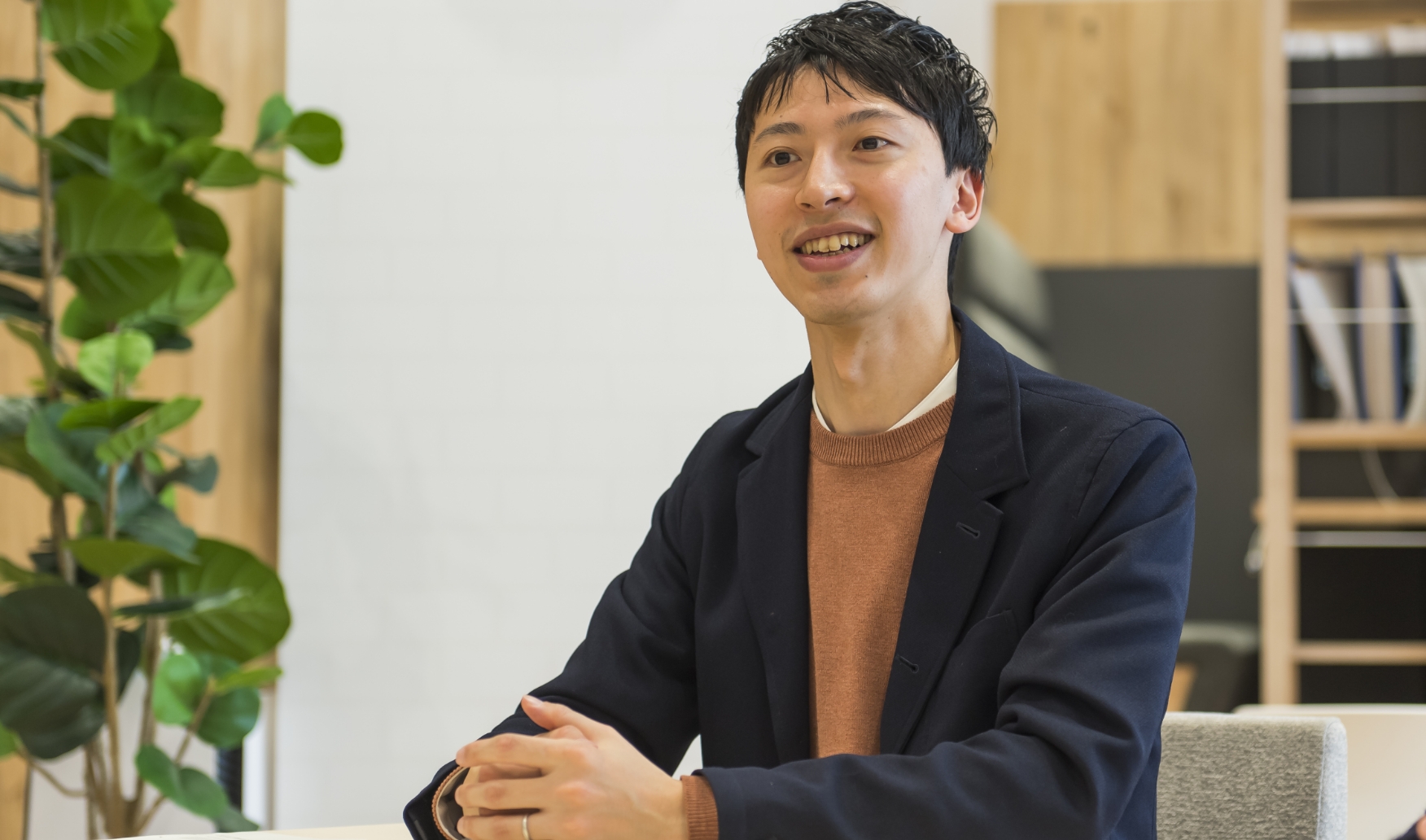
In July 2020, an RFP was presented to several system vendors and a competition was held. It was there that Mr. Harada was strongly aware of agile. Research and development is always in flux, and the future is never clear. Sometimes a sudden request comes in from a division, and sometimes the researchers themselves want to try out an idea right away. We decided that an agile methodology was essential to meet such demands.” (Mr. Harada)
As a result of the competition, the company selected TDC SOFT Inc. as its development partner. Mr. Harada explained the reason for this: “We felt that their proposal was the most knowledgeable about Agile, as it was specific and understood the flexibility of the requirements, utilizing Scrum (*1) in 2-week sprints. We approached other major companies with experience in EMS development for business use, but some of their proposals were agile but were based on an almost waterfall-like approach, and others were expensive and built up risks for uncertain specifications. In this respect, TDC SOFT’s proposal had a reasonable cost,” he explains.
Since the purpose of this project is to monitor and control equipment, knowledge of hardware is also necessary. However, TDC SOFT Inc. did not have sufficient knowledge or human resources for edge-side technology. Therefore, when we proposed the project, we honestly explained that we were not good at the hardware part. The project was then proceeded by a three-company team, including another company that was strong in this field. Because of their honesty, we were able to put together a good project structure as a result,” said Harada.
-
Scrum is a common framework in Agile practice. A sprint is a fixed period of time during which teams work in Scrum, and through repetition, teams create value.
Build and start operating systems one after another in a short period of time
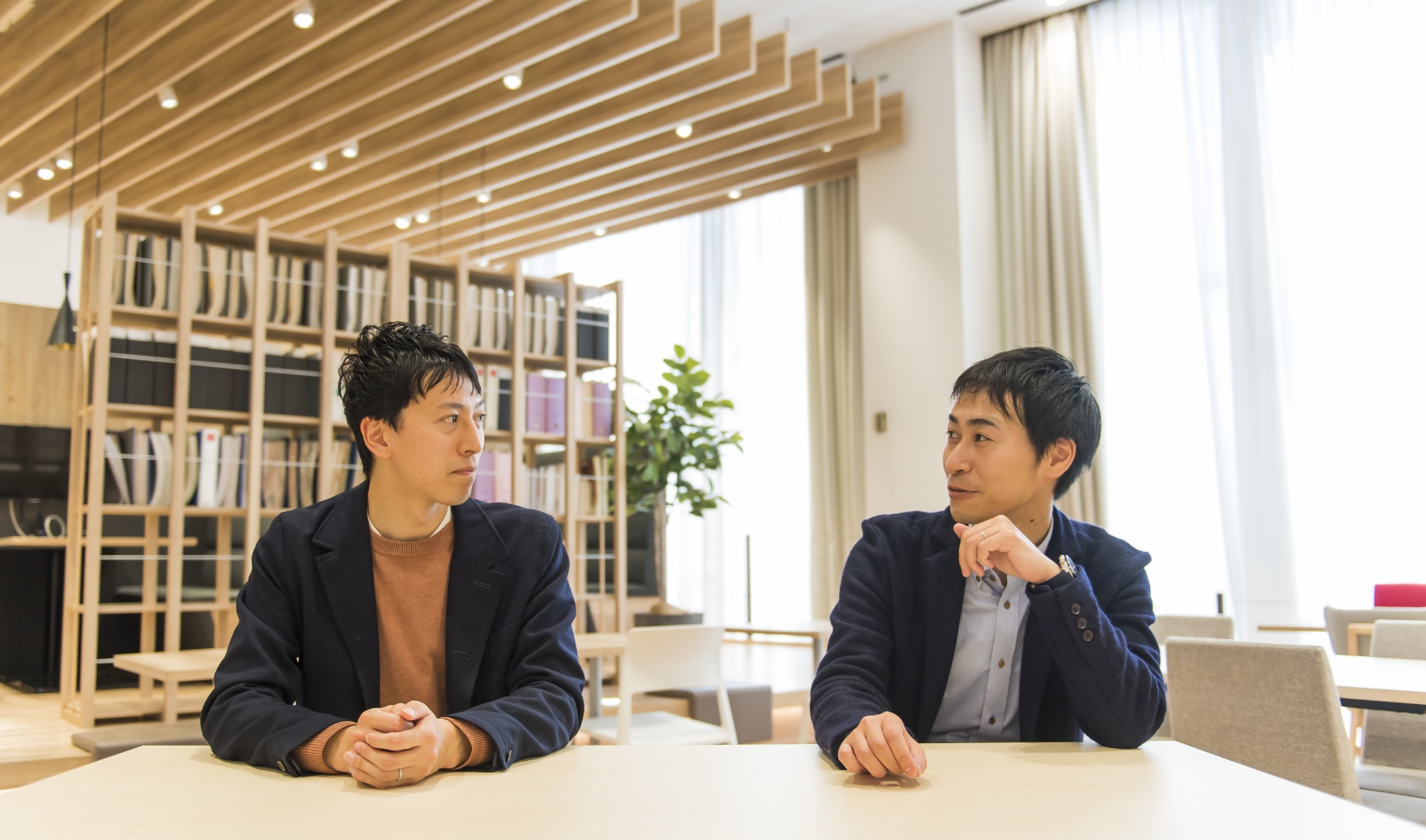
The first development started in September 2020. Mr. Harada became the product owner (*1), with one Scrum Master (*2) from TDC SOFT Inc. and four developers. Although Mr. Harada had learned about Agile from books and other sources, he had no actual experience. He says that there were some difficulties in the early stages because of this. The high degree of specialization of the products and the fact that we were fully remote due to the Corona disaster prevented us from communicating as well as we would have liked in the beginning, and there were times when development progress was slow and we became impatient. Nevertheless, as we persistently accumulated two-week sprints while incorporating innovations such as creating a dedicated chat channel for communication with our product owners, we began to see stable results.”
From around July 2022, the Advanced Technology Group at the Central Research Institute of Technology, ENEOS Co. Research Institute, Low Carbon Technology Group Chief Staff Nobuyuki Aruga joined the team. Currently, Mr. Harada is the product owner of the hammock® EMS and Mr. Aruga is the product owner of the storage battery control simulator. Although the number of developers has fluctuated, “If there are too many developers, progress is faster, but we, the owners, can’t see everything and we end up with a flat tire, so we feel that a team of about five is appropriate.”
The first system completed was the “hammock® EMS,” which monitors and manages the operational status of solar power, hydrogen power, and storage batteries. The first system completed was the “hammock® EMS,” which monitors and manages the operating status of solar power, hydrogen power, and storage batteries. The initial version went into operation in December, three months after development began, and by June 2021, the system was functionally satisfactory. Since then, the system has been continuously improved, including the implementation of UI and multi-tenant architecture.
In July 2022, development of a storage battery control simulator began, with a beta version available in October, and UI/UX improvements and functional enhancements are continuing here as well. While the users of the former are only researchers, the latter is also used by division staff, so we have prepared an easy-to-operate and easy-to-understand UI.
In addition, in December 2022, development of a screen for system visualization began for a demonstration experiment on EMS using electric vehicles being conducted by Higashimurayama City, Tokyo, and ENEOS, and a beta version was provided in January 2023. In both cases, development proceeded with the speed that only agile can provide.
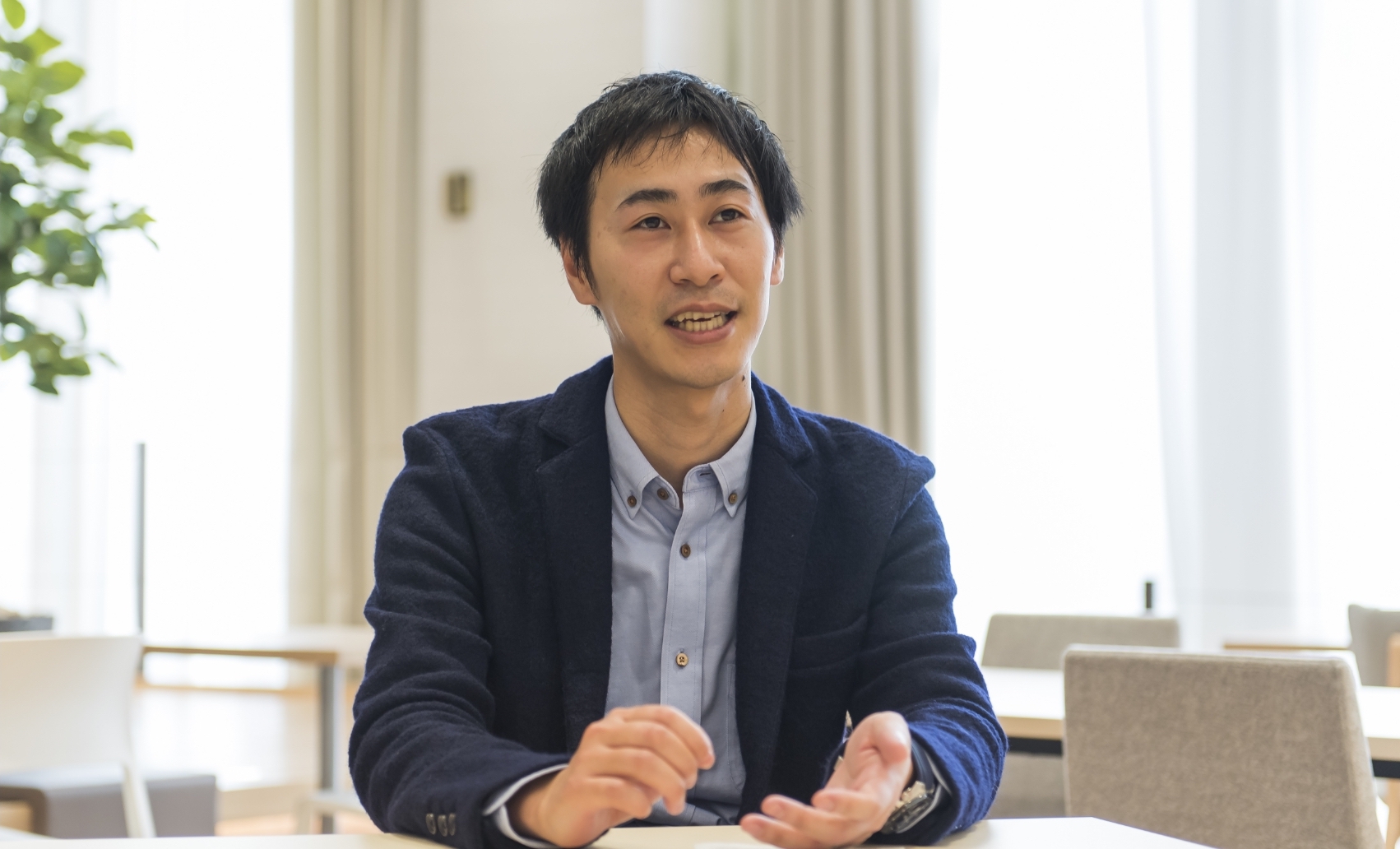
Regarding TDC SOFT Inc., which was developed together as one team, Mr. Harada said, “An experienced scrum master led the development. The developers were also assigned people who had been involved in the project for a long time, so I was grateful for their accumulated business knowledge. The entire team was young, and we were able to proceed with development with a sense of unity in a friendly, school festival-like atmosphere. The younger members of the team had ample discretion and were able to make most decisions on the spot, which made the process very smooth.
-
The product owner is responsible for the vision of the product and maximizing its value, and has the final say.
-
The Scrum Master is responsible for encouraging Scrum to run well and to make the team effective through support to the team.
Promote horizontal deployment of Agile methodologies and their application to other operations
Mr. Aruga has experience in developing EMS for business use and has been involved in waterfall development for many years. Therefore, he was surprised at the speed of development of the HAMMOCK® project. He also appreciates Agile in terms of team management, saying, “The biggest difference with waterfall development is the strength of the team. The biggest difference between agile and waterfall development is teamwork. As we regularly accumulated small successes, conversations naturally increased, and sharing and empathy grew. With waterfall, it often takes a long time to complete a product, and the owner may forget the original requirements. In agile, on the other hand, the backlog is checked every two weeks, so this is not the case, and it is easy to check the current status of the product. Until now, development has been done with the end point of the project in mind, but with Agile, it is necessary to simultaneously think about the near future while aiming for the end point. Through Agile development, I got into the habit of thinking about both long-term and short-term development goals, and my thinking pattern has changed.
Mr. Harada has gone one step further and begun to utilize Agile methods in work other than system development. He says, “This method, where differences can be seen at each sprint, increases the workload on the owner’s side, but I felt it was a very good way to ensure that the project moves forward. So we decided to incorporate the Scrum method into our regular work as well. For example, we have a meeting every morning to share the factors that hinder the progress of the work.” (Mr. Harada)
Mr. Harada commented on this series of Agile utilization, “We have been in the infrastructure business, where failure is not an option, and the goal and deadline are not as clear as with waterfall, and we also have to take responsibility when results are not achieved. There was also an atmosphere of skepticism toward the agile way of proceeding, where the client side bears the responsibility in the event that results are not achieved. However, my superiors supported my challenge in the R&D department, where it is easier to take risks, and we were able to achieve steady results, which led to internal recognition of the project. In fact, I think agile is best suited when requirements are not clear, such as research applications or anticipated changes in the business environment, or when the system would have little social impact even if it were to stop. It is also a good match for the institute’s DX projects, so we have begun to horizontally deploy our knowledge, and several projects have actually started.
The smooth and speedy progress of ENEOS’s development toward a decarbonized and recycling-oriented society is also of great significance to Japanese society, and TDC SOFT Inc. will continue to support its promotion. TDC SOFT Inc. will continue to support its promotion.
summary
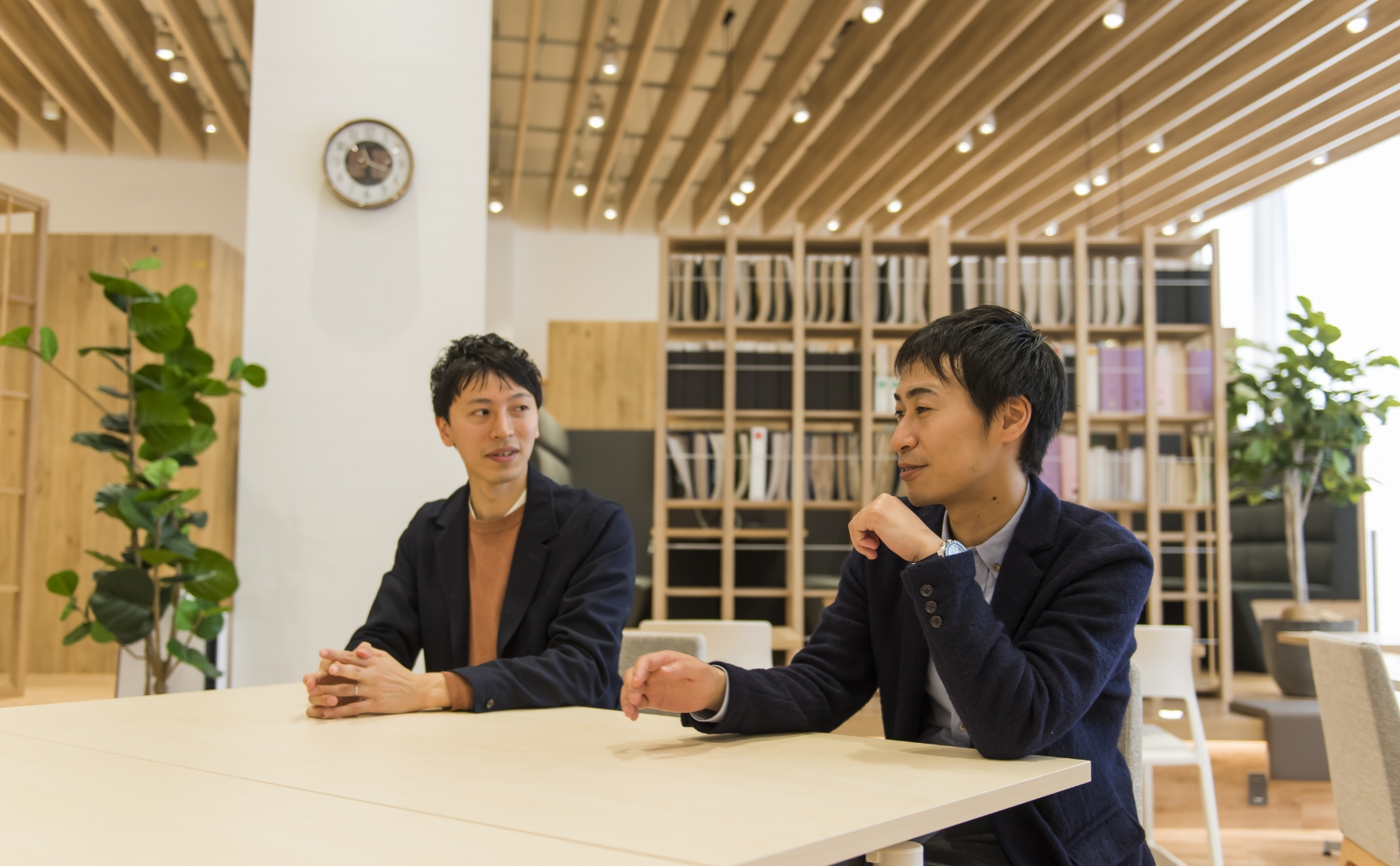
Through our coverage of ENEOS, we felt the high affinity of Agile with research and development projects, where “systems must be developed and improved while conditions are still undetermined. The compact team always shares the goal image and tasks, speedily releases the necessary systems, and assesses the results. As a result, ENEOS was able to launch multiple applications for research and development within a short period of time. This is a good example of maximizing the benefits of Agile.

ENEOS Corporation
The ENEOS Group is a leading company in the energy industry. Highly regarded for its technological and environmental capabilities in the petroleum refining industry, the company is trusted by automakers, airlines, and other customers, and is expanding its business both domestically and internationally. The company is actively promoting environmentally friendly business development, and is also involved in the development of various renewable energy sources to solve social issues.
agile
We use practical know-how and SAFe®︎ to transform your teams and processes to be agile. We support the creation of an agile and flexible organization that is responsive and unified.